We were thrilled to get to the Wildwood movie for its first Portland showings October 22 and 23, and we are here to be your initiation into all things Wildwood.
The stop-motion animation movie that has its premiere date of today as of this writing has been in the works for 15 years, since the 2011 publication of Colin Meloy and Carson Ellis’ book series of the same name. Wildwood, Under Wildwood and Wildwood Imperium captivated my own children and I — I remember many late nights of reading the books to the then-very young children and staying up late afterward to read ahead. This movie is born in and of Portland, and especially the neighborhood of St. John’s and the magical land that is Forest Park and the West Hills of NW Portland.
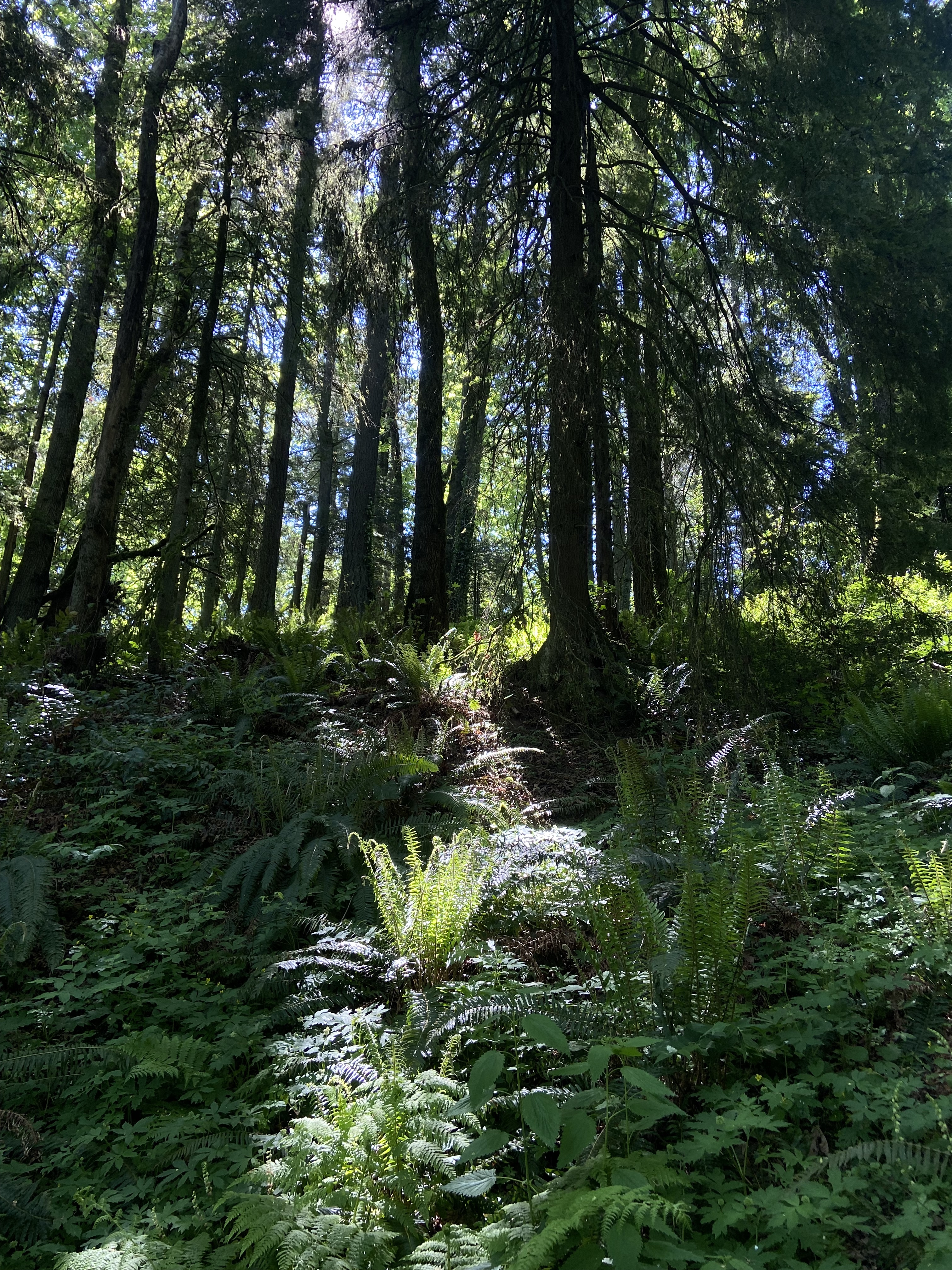
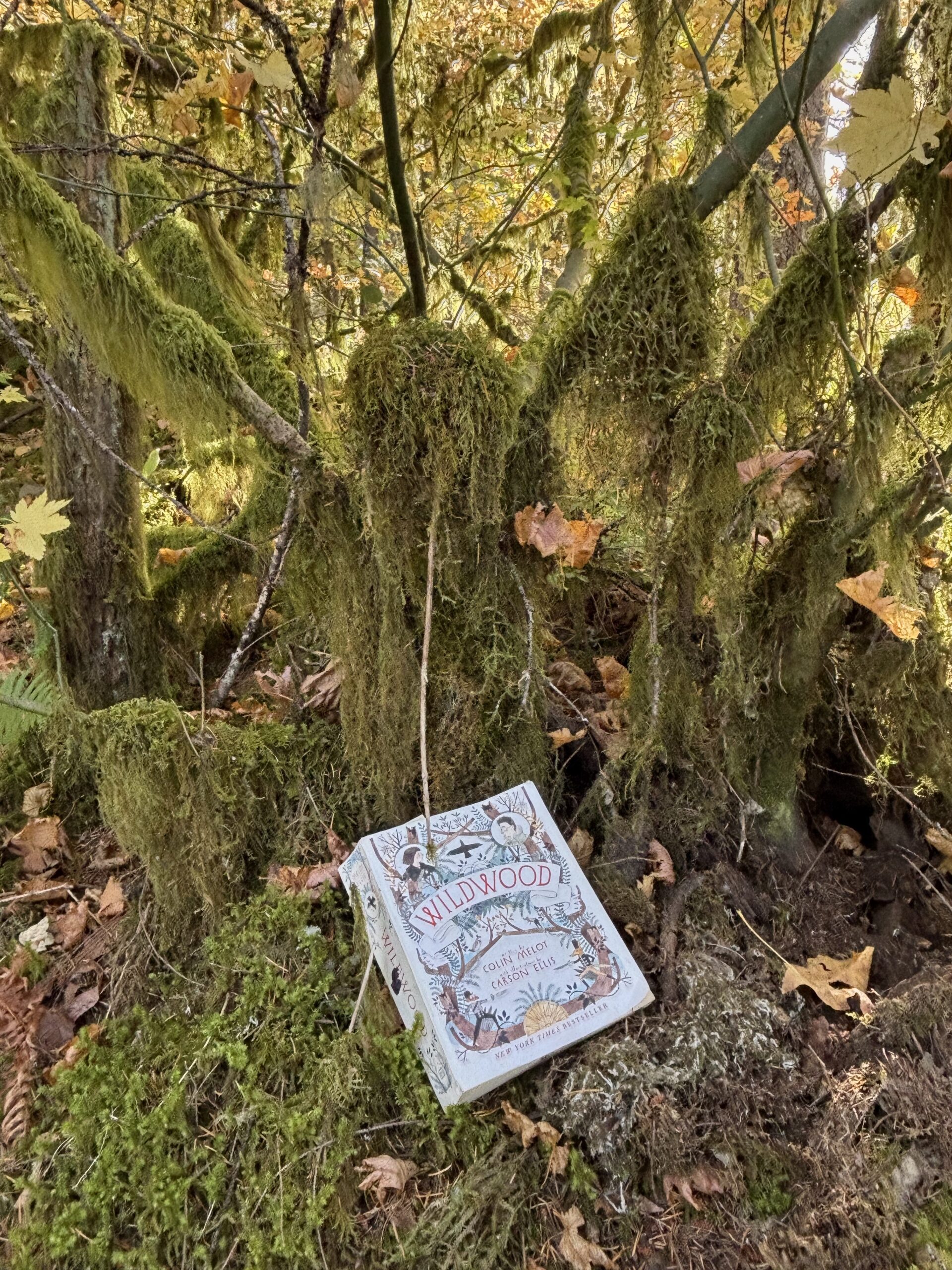
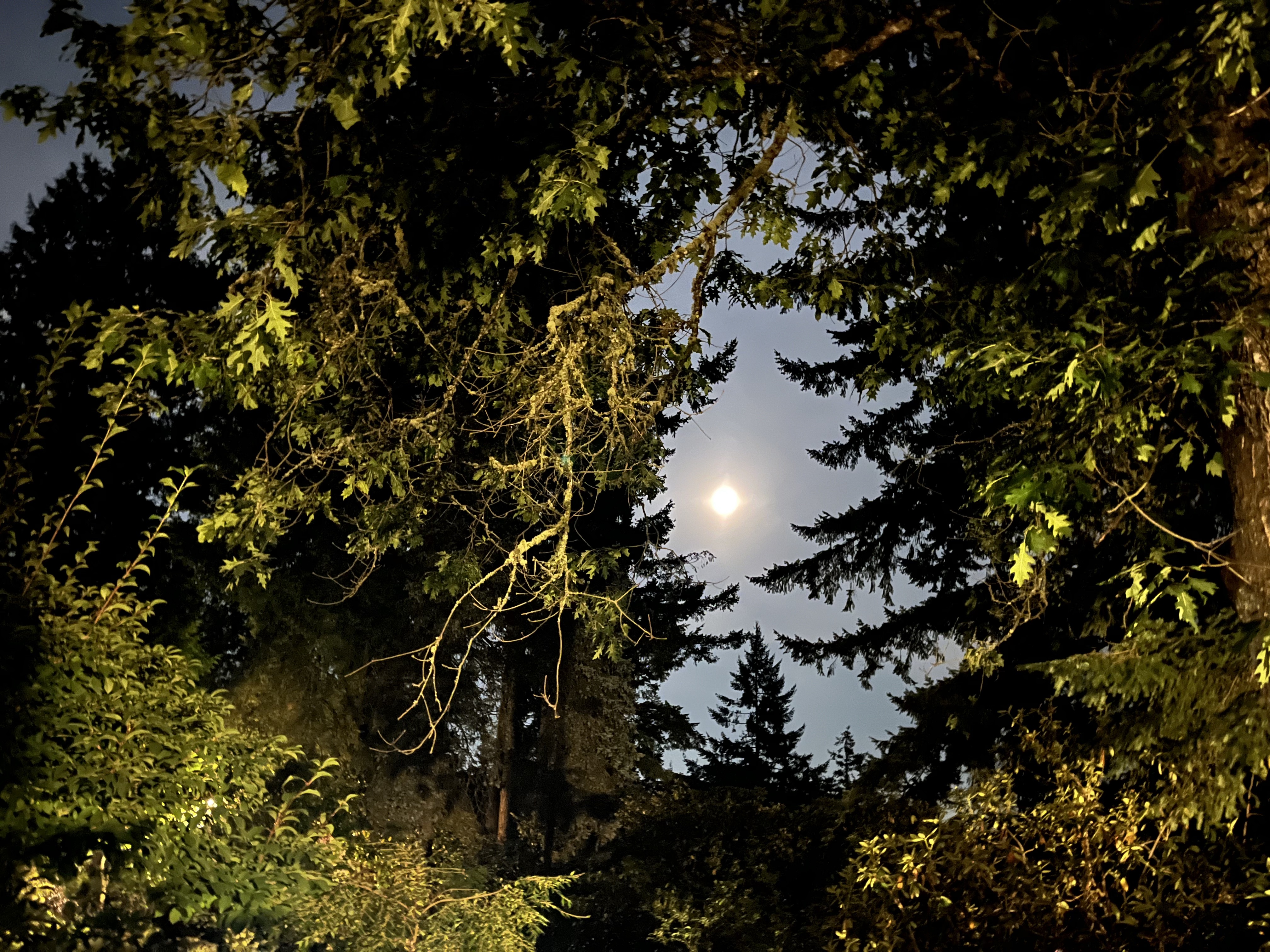
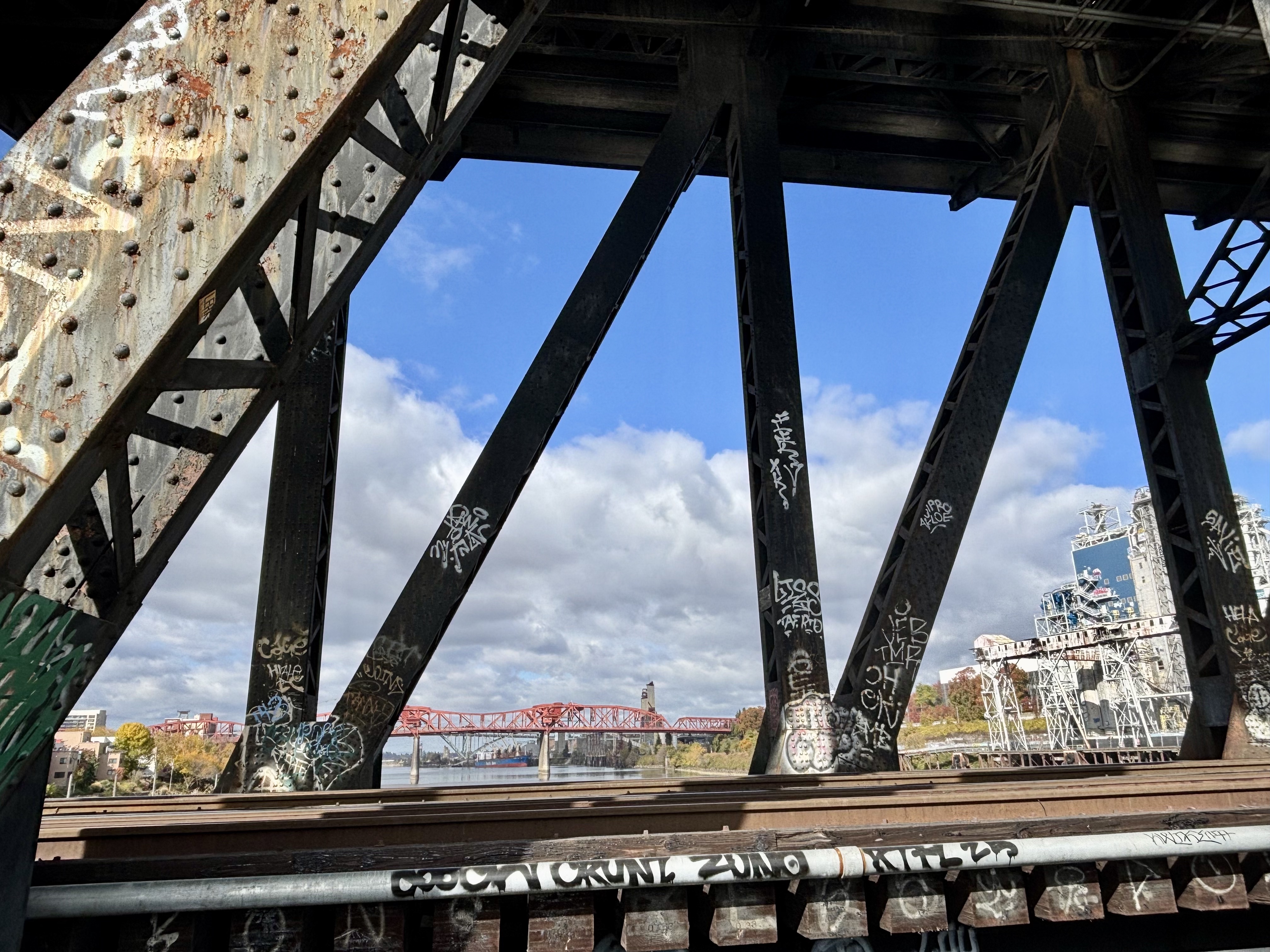
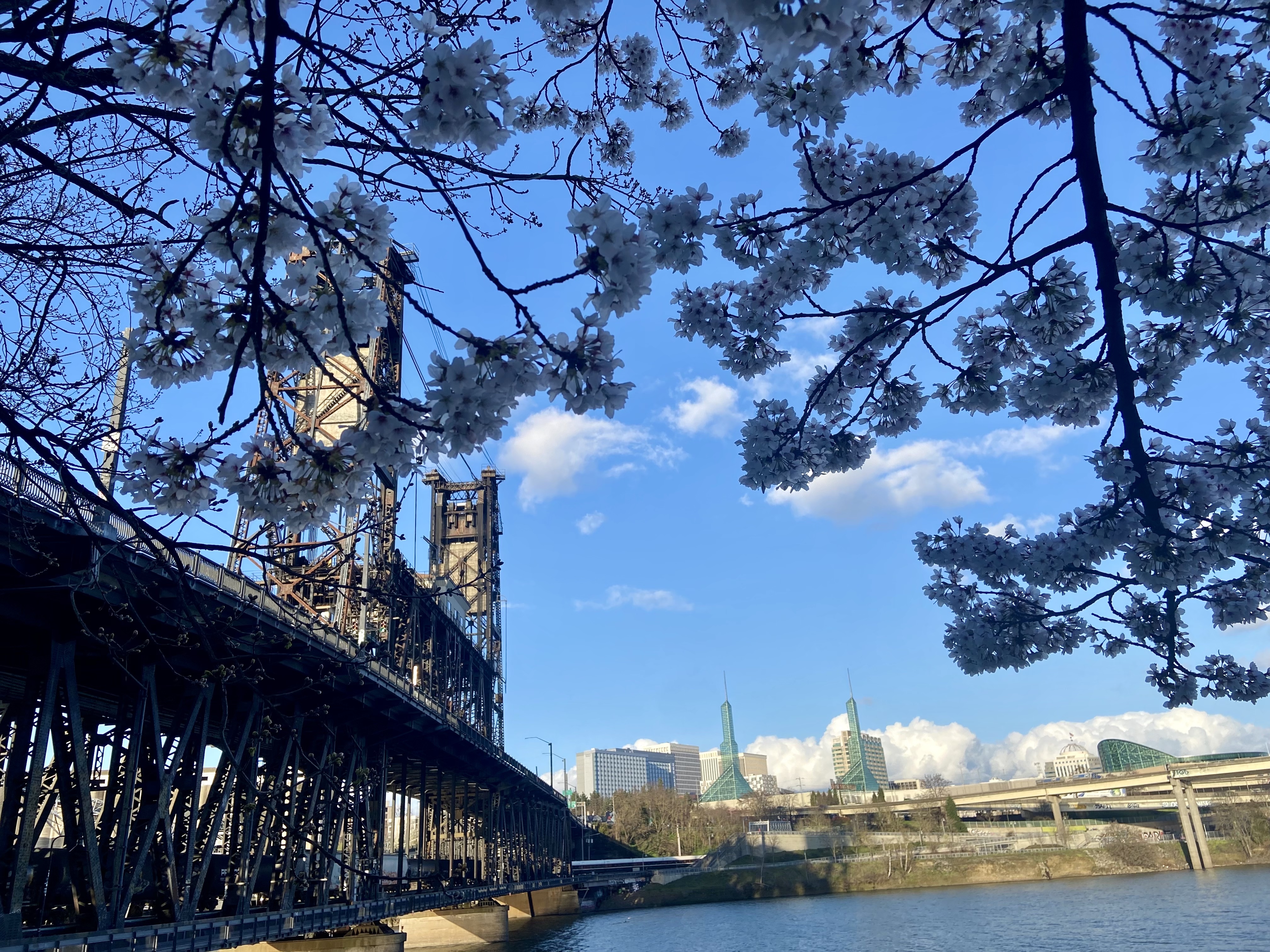
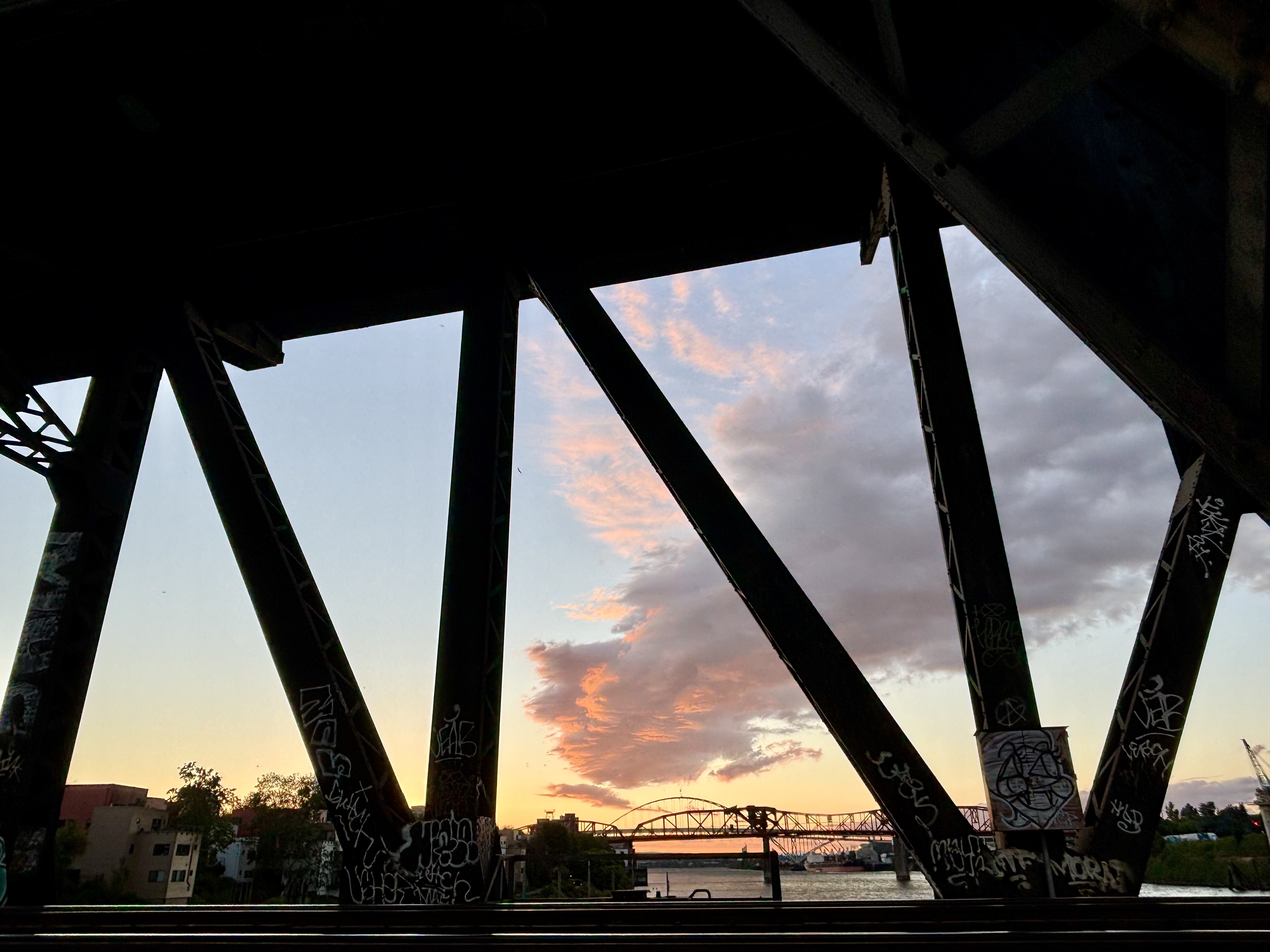
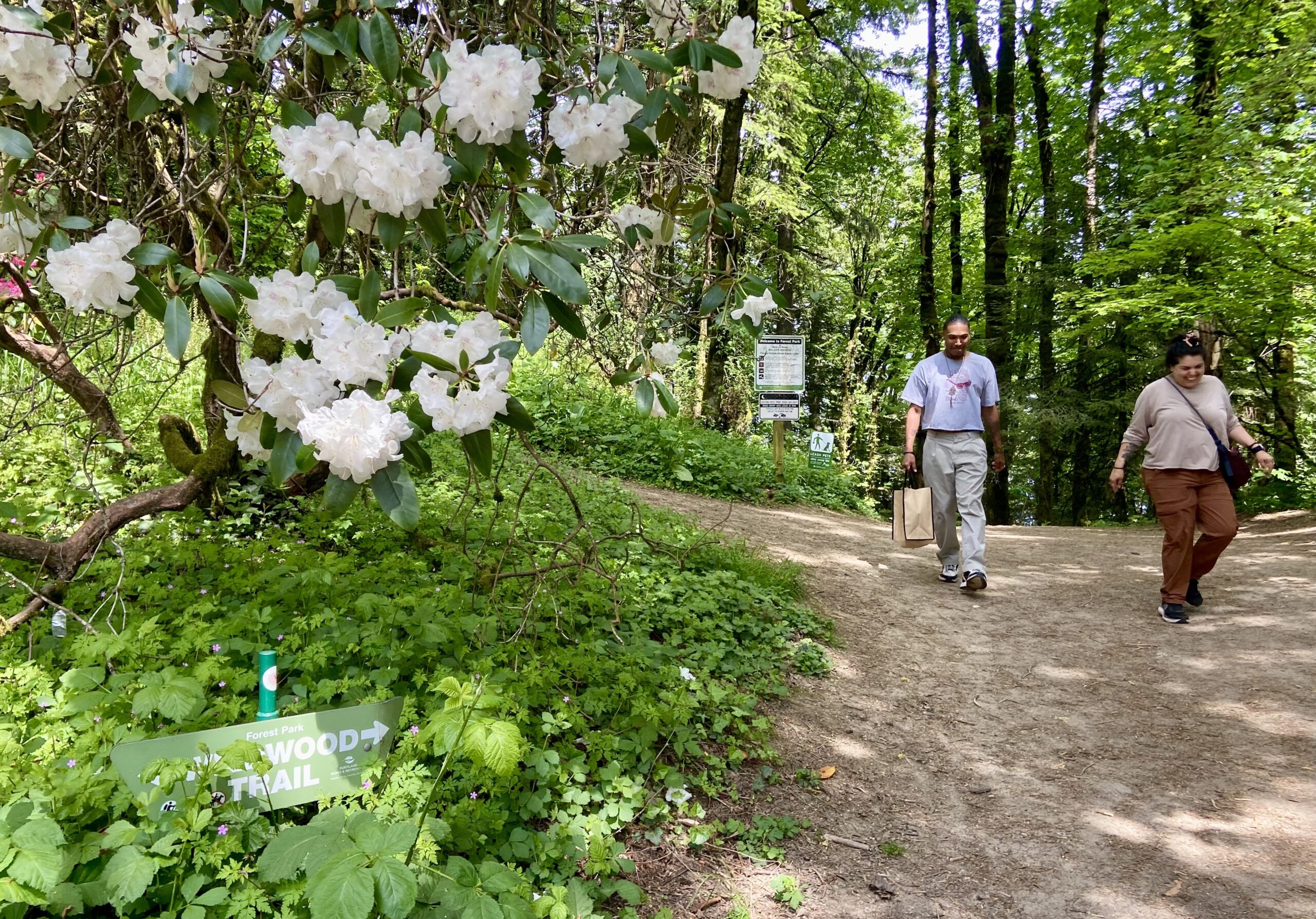

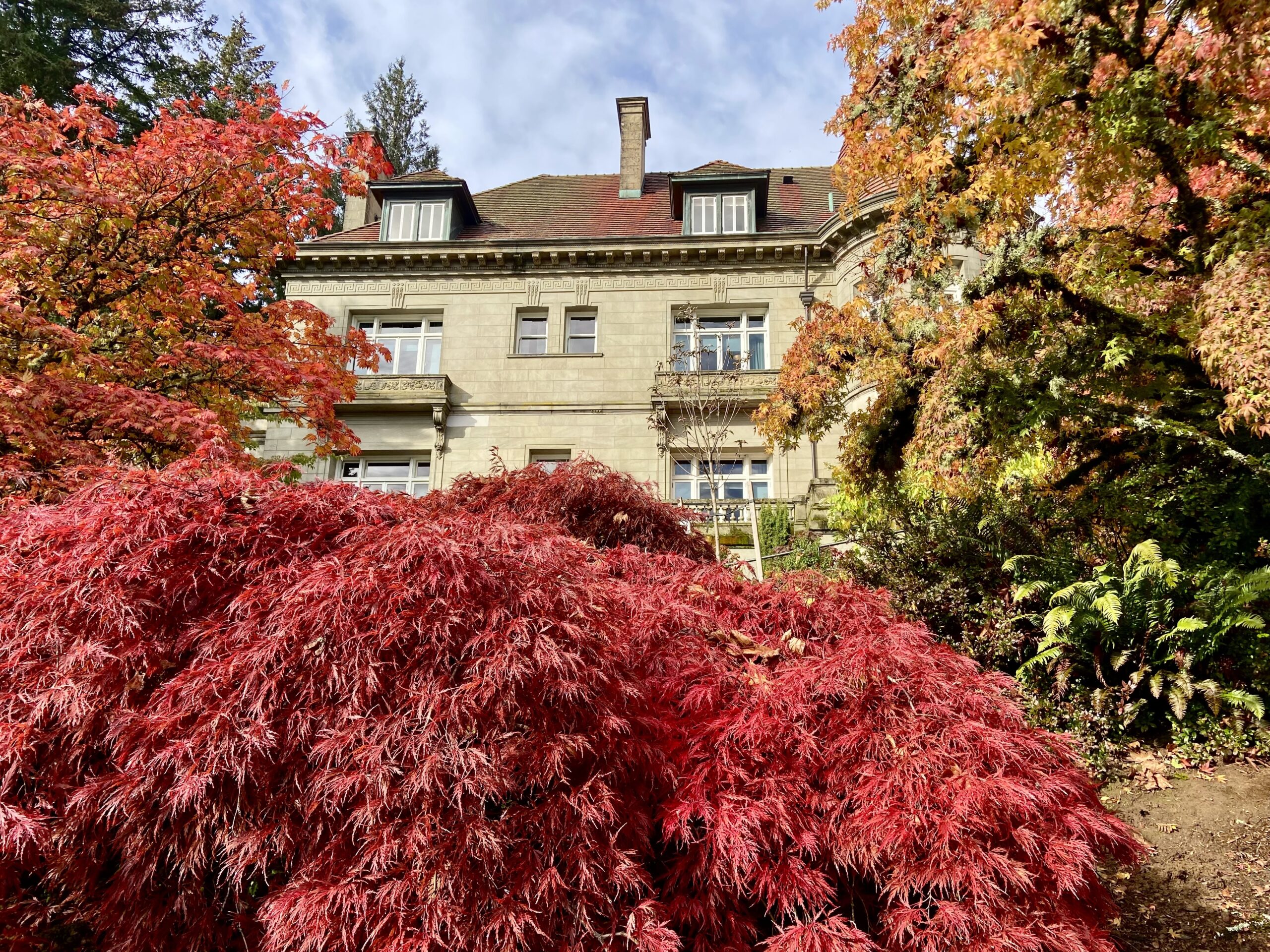
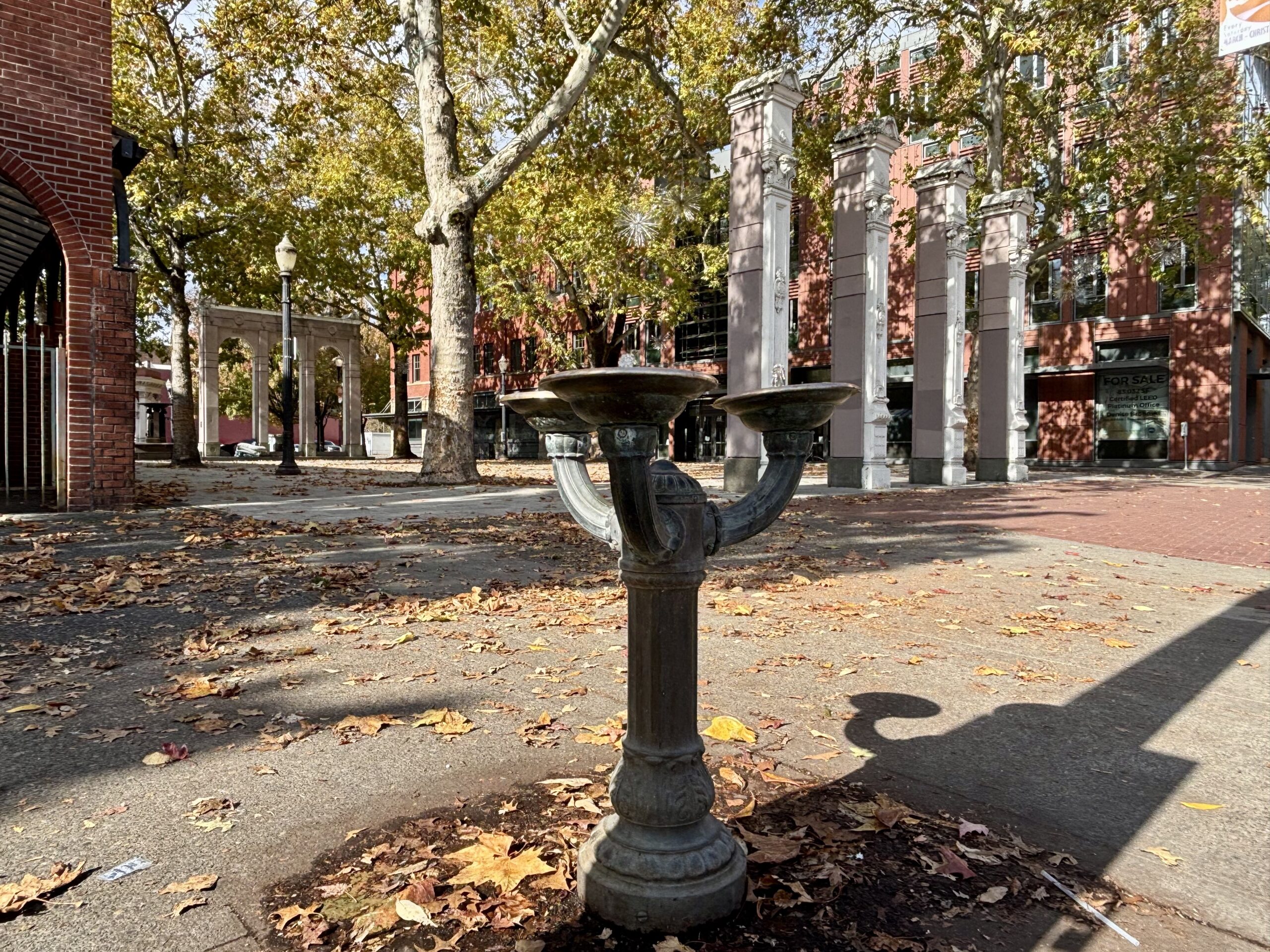
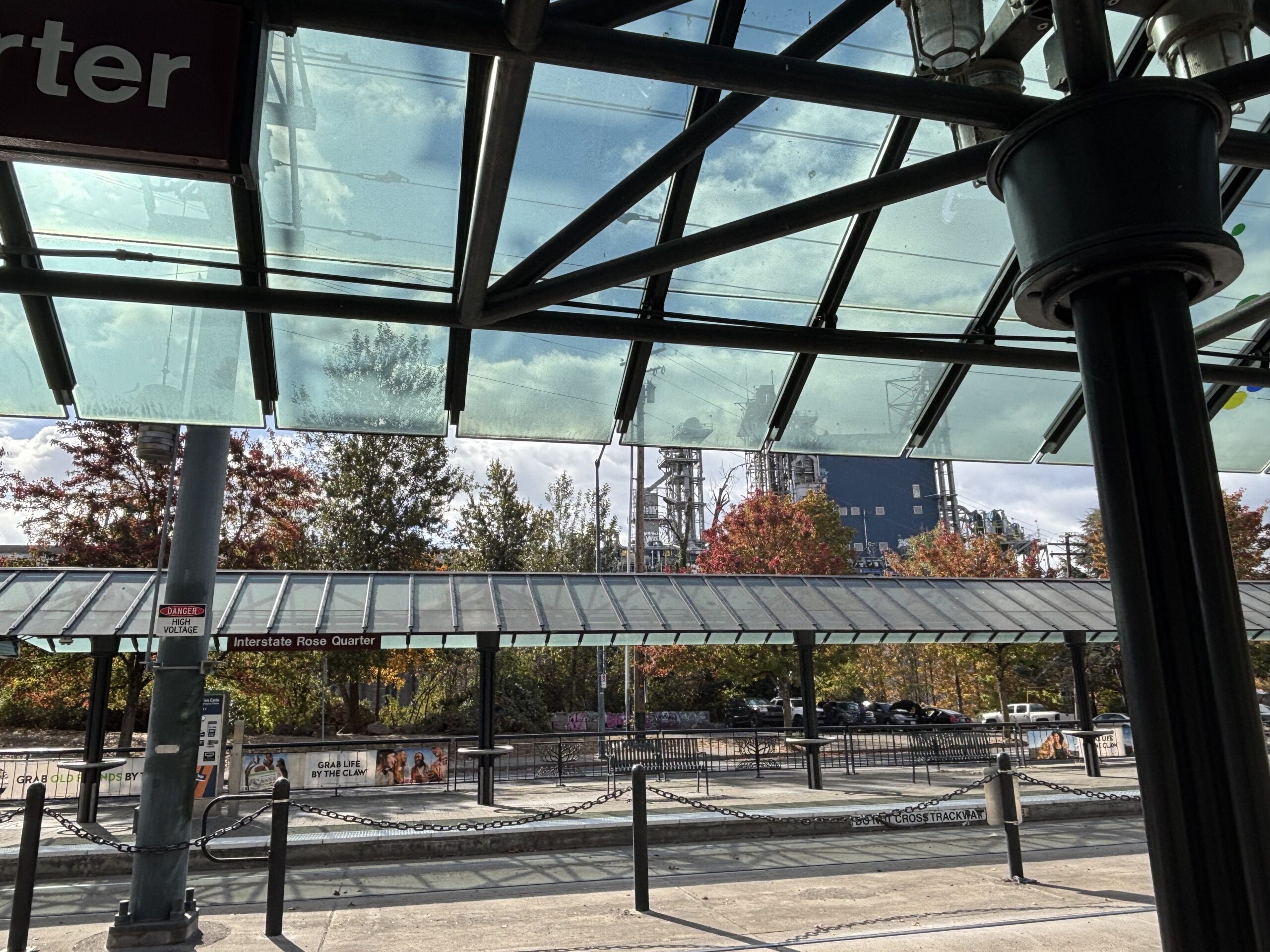
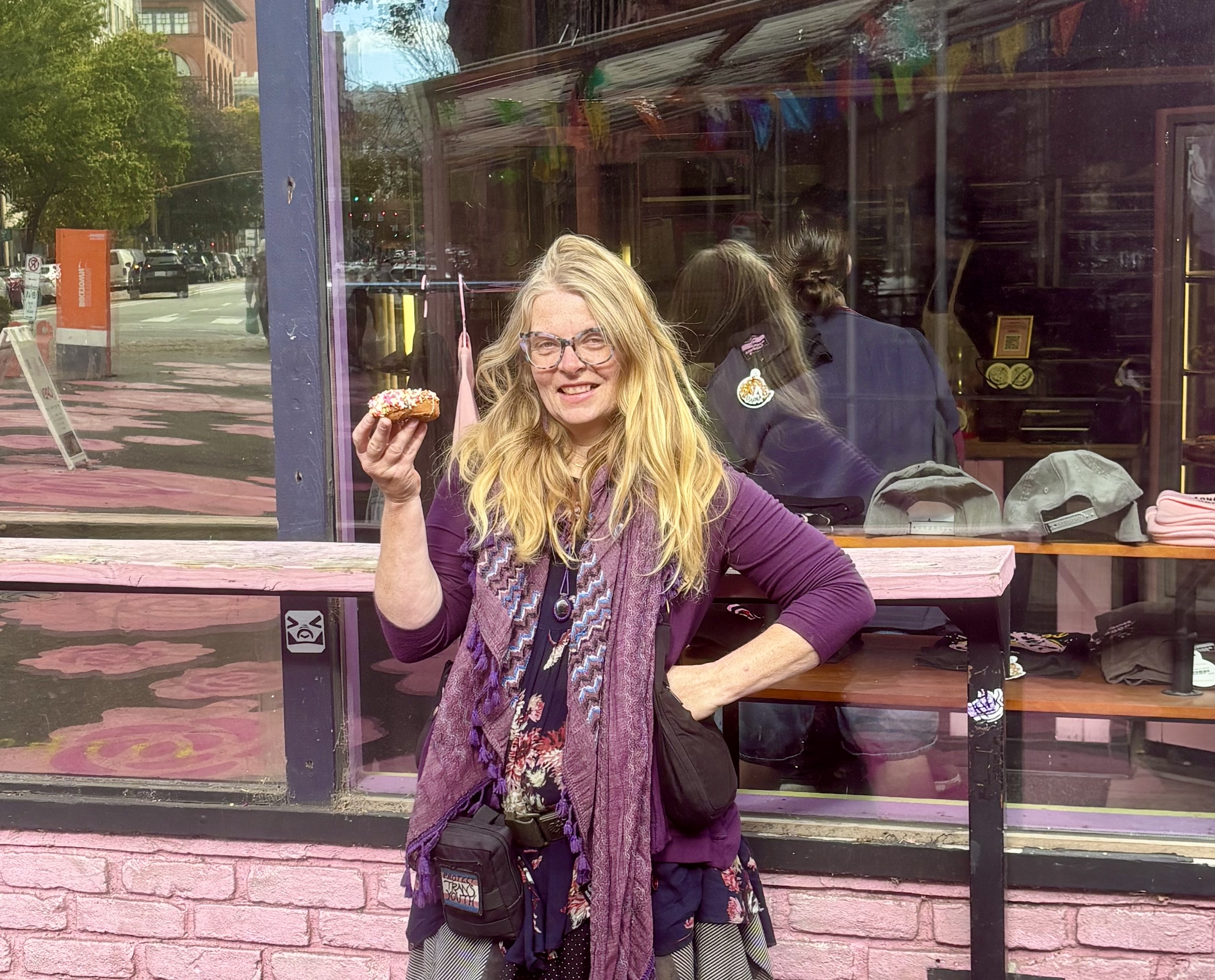
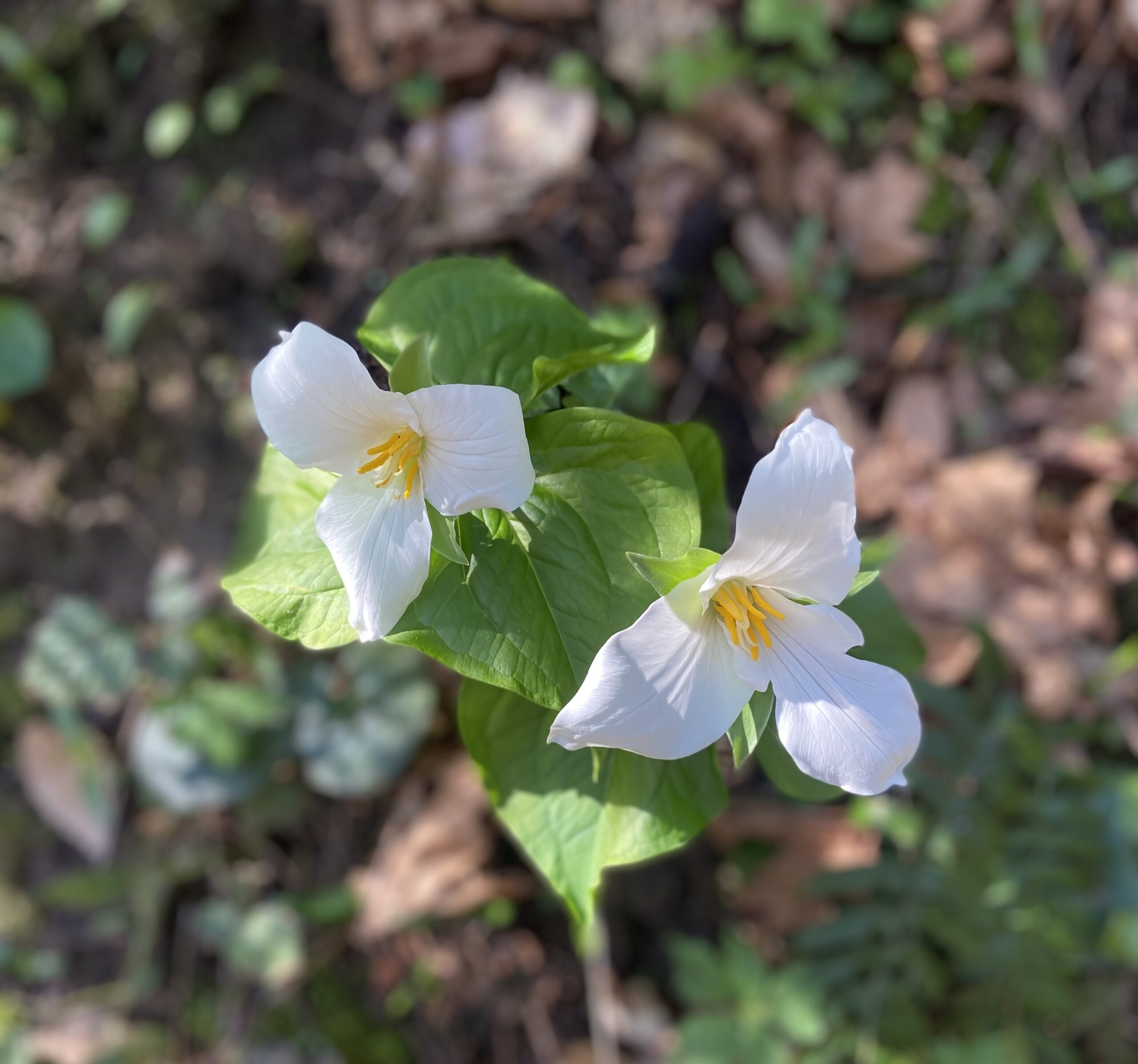
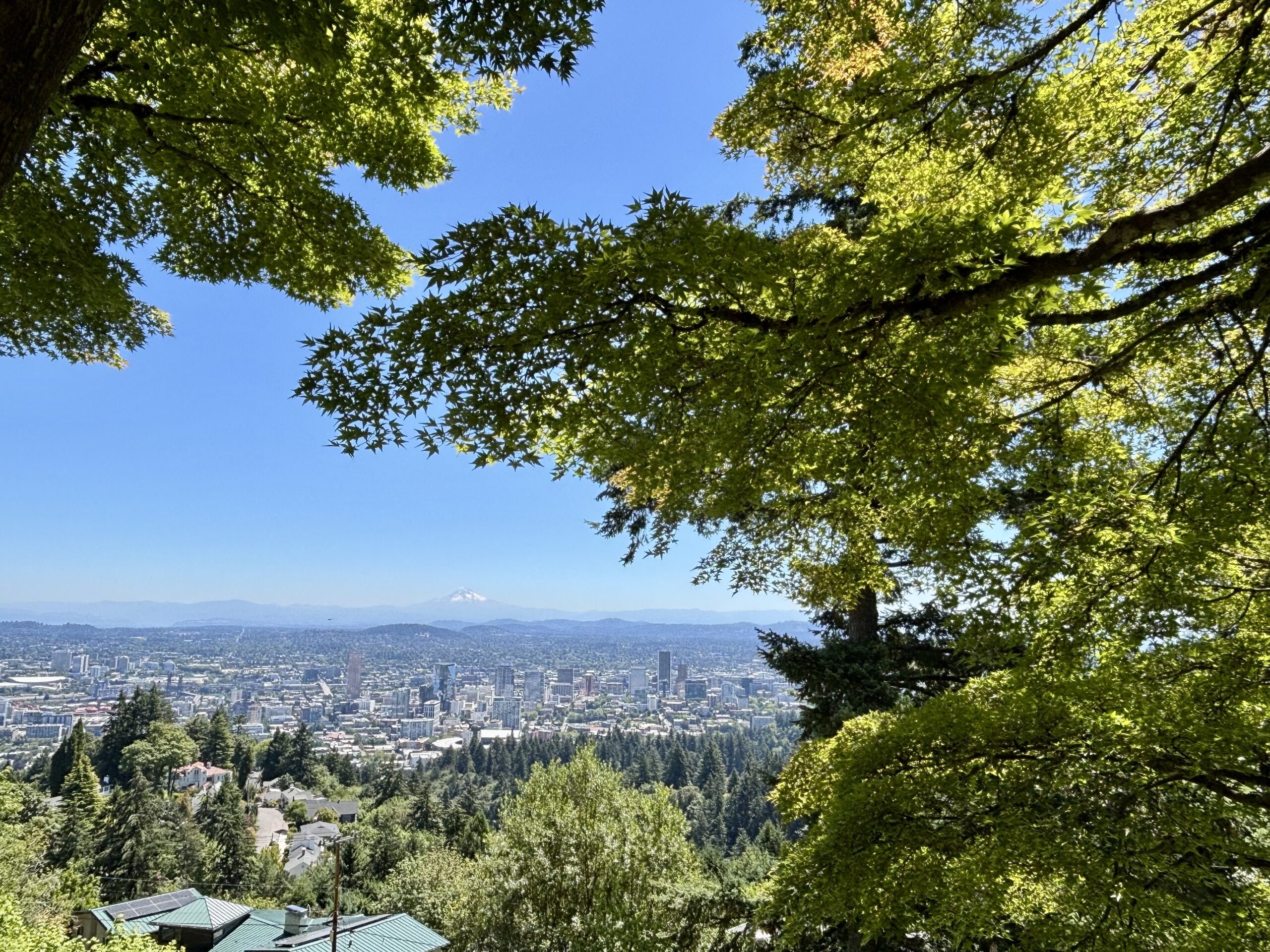
Getting ready for my second viewing of the movie and after watching countless clips on Instagram, I have settled on a respect for the movie that is multi-faceted, from the true love the artists, directors and authors of the book series and screenplay show for Portland, to the dedication to the absolute detail of the art, rendering the world as true as a miniature world can be. It is this love of Portland in a certain time, place and magical lighting that bears honoring and repeating.
Wildwood is a venture into a world created by Meloy and Ellis for the book series but rooted entirely in the real life Portland and Oregon of the 2000s, the “aughts,” a truly magical time in our city’s history when everything seemed possible and we felt like we were creating a new world together, one focused on community, care for the trees and each other, food, coffee and a proto-hippie aesthetic. The story takes us into the Impassable Wilderness, a land roughly similar to what we think of as Forest Park, the Industrial NW, and Forest Heights / Kings Heights, the neighborhoods near the Pittock Mansion in NW Portland.
In Wildwood, the Impassable Wilderness, or IW, has been ringed for longer than anyone can remember by a barrier of magic that is part fear, part longing, part forgetting.1 There are rumors of people being lost in the perimeter; there are exhortations never to go near. But mostly the adults pass it by and the children fabulate about it. The crisis that inspires a hero’s journey by the main character, a 12-year-old girl named Prue, is that her brother is stolen by a flock (a murder!) of crows from the playground and taken into the IW; into Wildwood. This sets up a battle between Prue and her accidental sidekick, Curtis, to defeat the witch who ordered the crownapping and protect the woods from her subjugation.
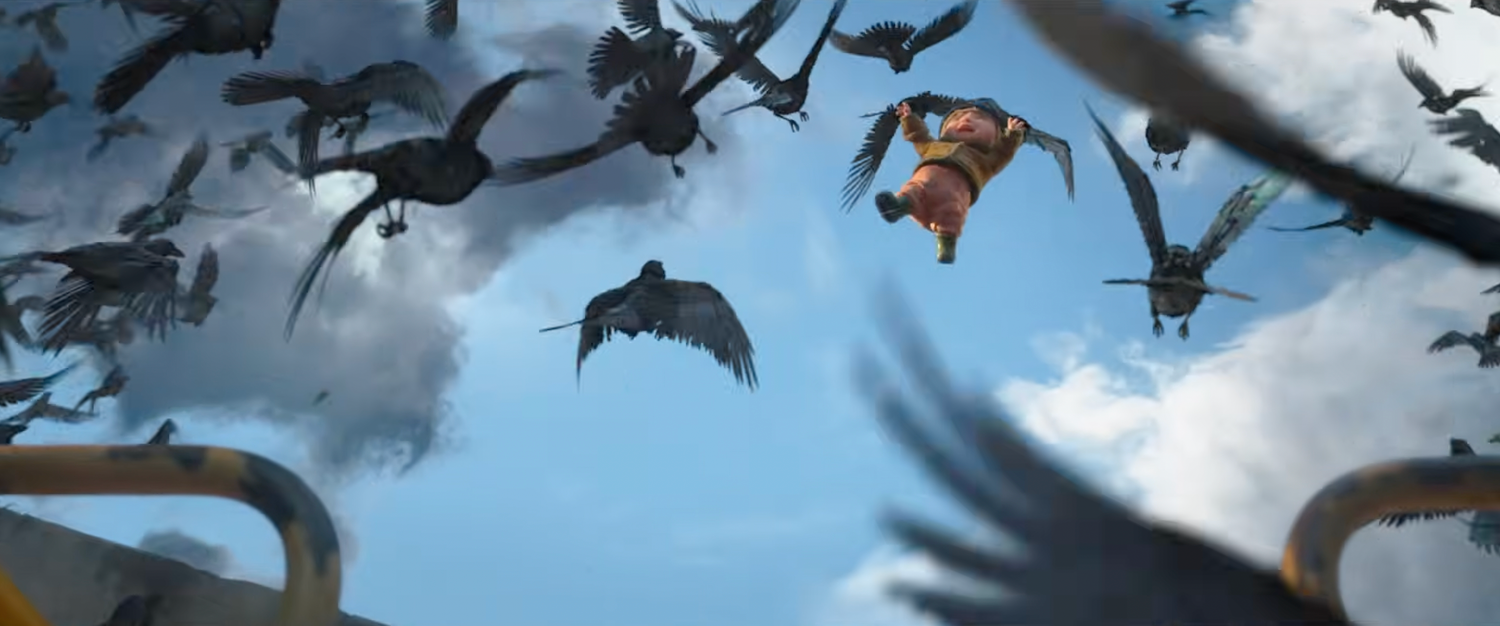
We don’t know what we love best about the movie, but one thing that is life changing is the perspective of Portland in this beautiful and challenging time. The movie somehow gets at everything that the book series takes more time with; the coffee shop culture, the bike culture, the queer culture, the culture of readers, the love and connection we have with the forest that inhabits our city, the omnipresence of crows at a certain time of year that is part awe/part uneasiness, the luminous nature of bridges, and finally, the absolute clusterf*(k that is city government. Without actual talking sheep, attack dogs, or turtles, we still manage to be just as much of a Northwood as the movie and book series describe.
There is also a battle between those indigenous to the land and the white woman whose power turns vicious; not only a Portland thing, but one that is not at all lost on a city founded by people who made laws banning Black people from living here and once sought Federal funds to remove the Romani people all in one fell swoop. Our former mayor’s family fortune was based on the timber stolen from the 56 tribes whose federal recognition was terminated in 1954. (For a movie made and funded by the scion of the Nike family, these themes are bold indeed.)
There is also a connection with people who do not have to teach you that trees and the land they grow on are kin, because you get to learn it for yourself.
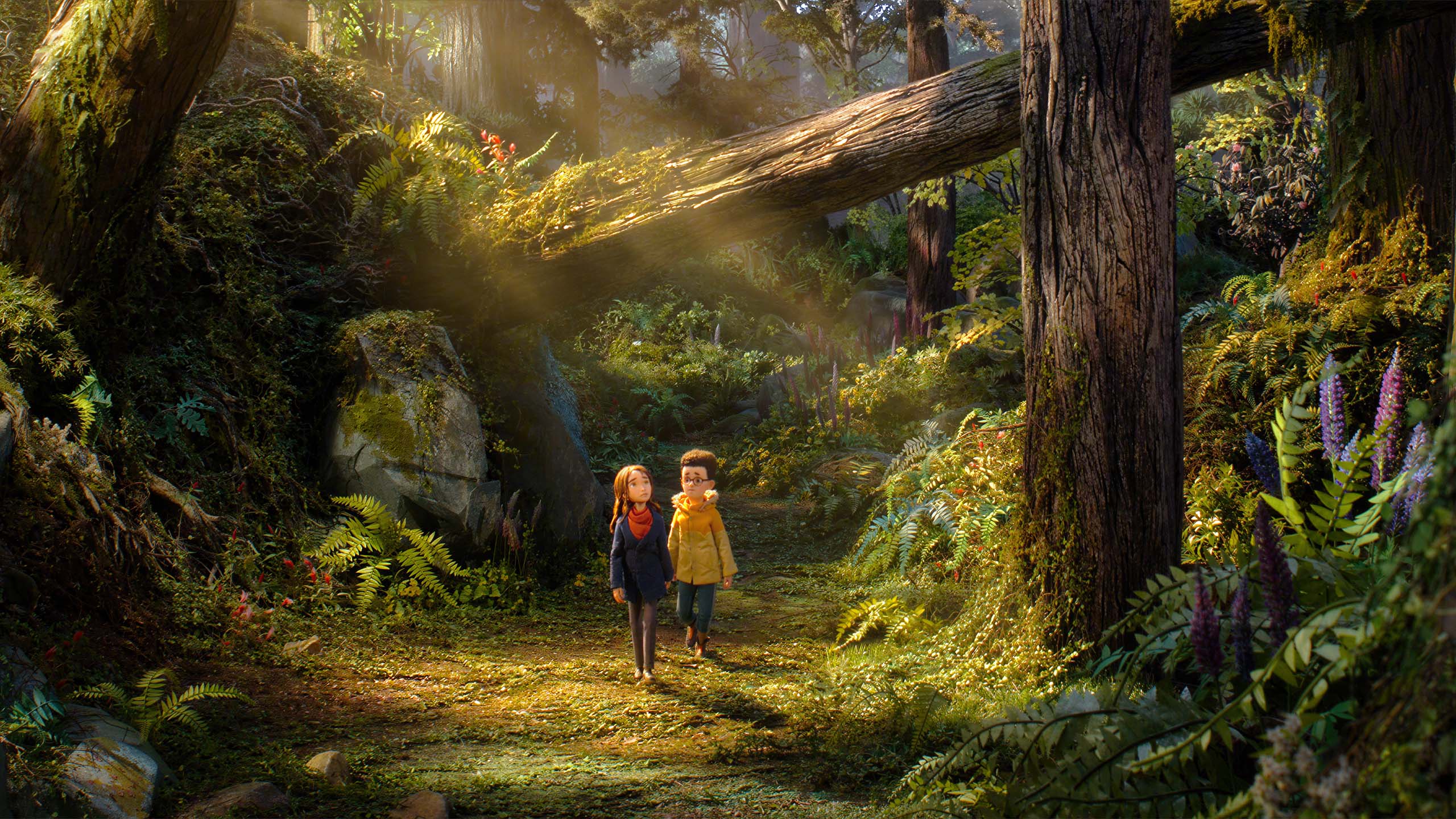
How can you experience the real woods magic that inspired the world of Wildwood? Of course, we have tours that can take you to all these places. But let’s do a rundown of the best ways to fall in love with the same thing that LAIKA, Colin Meloy and Carson Ellis did:
Hike the Wildwood Trail in Forest Park. Two entry points make most sense: one is the Lower Macleay Trail that will take you past the Bird Alliance and up to the Pittock Mansion. We do this as a one-way hike on our tour but you can also do it on your own with transit support (the 15 bus to the start point; the number 20 bus away). The other is the trailhead accessible from St. Johns by walking over the beautiful gothic St. Johns Bridge, and doing it as a loop hike.
Visit St. John’s neighborhood for an afternoon or several days. Stop by the local coffee shops, the library, the taquerias, the St. Johns Twin Cinemas. Visit the stunning Cathedral Park. Ride your bike along the bluffs to Mocks Crest Park. If you dare, descend down to the Industrial Wastes and wander along the river.
Walk and bike along the Japanese American Historical Plaza, see the Steel Bridge, visit Powell’s Books and Voodoo Doughnuts. Prue’s geographically unlikely bike ride (it’s about 45 minutes from St. Johns to the waterfront park, without a little brother in your wagon) is nonetheless a classic one. You will see all these things on our Bike Around Portland tour.
[this list is a work in progress; check back for links to our upcoming tours and to specific businesses within our destinations!]
1 This is carefully explained in the book series, but only alluded to in the movie as a barrier of “woods magic.”